Program
抄録・プログラムはこちらからダウンロードいただけます
*Information regarding other programs will be posted as soon as it is decided.
Special lecture 1
"Is a paradigm shift occurring in the development and regulatory trends related to cell-cultured foods? – Its current state and future."
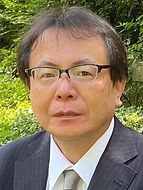
Satoshi Kitajima
National Institute of Health Sciences, Center for Safety and Biological Testing
Senior Fellow. Born in Kanazawa City, Ishikawa Prefecture (1965). Graduated from the Department of Veterinary Medicine, Faculty of Agriculture, University of Tokyo (1990) (obtained veterinary license), and completed the doctoral program in Veterinary Medicine at the Graduate School of Agriculture and Life Sciences, University of Tokyo (1994) (specializing in veterinary pharmacology, particularly the pharmacology of smooth muscle, cardiovascular system, and purine receptors). Has worked at the National Institute of Health Sciences ever since.
He became the head of the Toxicology Department in 2018 and a Senior Fellow in 2025. He has also served as a Visiting Professor at the Joint Graduate School of Veterinary Medicine, Gifu University since 2007. He is a board member of the Japanese Society of Toxicology, chairman of the Research Committee on Drug Toxicology, a member (acting chairman) of the New Food Development Investigation Subcommittee of the Food Sanitation Standards Council of the Consumer Affairs Agency of the Cabinet Office, and a specialist committee member of the Pharmaceuticals and Medical Devices Agency (PMDA), among others.
My current areas of expertise are toxicology (particularly general toxicity, reproductive and developmental toxicity, inhalation toxicity, and skin sensitization), molecular toxicology, and basic embryology (particularly cardiac mesoderm formation and developmental engineering). My main research areas recently include developmental neurotoxicity, safety research on PFAS and newly developed foods, and toxicogenomics.
Hobbies and special skills: Listening to music/playing drums (fusion style), table tennis, amateur radio, etc.
【要旨】
「細胞培養食品」は、細胞培養技術を用いて作られる食品と考えられる<新規の食品>であり、安全性の担保に資する食経験はないものと考えられる。このような食経験のない<新規の食品>は安全性の確認が必要であるが、細胞培養食品の潜在的なハザード因子について不明な点が多いためなのか、現時点では国際的に統一された安全性評価の手法はない。そこで潜在的なハザード因子の抽出を目的として、まずは、諸外国における開発状況と安全性に係る規制動向について網羅的に概説する。
現況では、当該細胞を、効率よく大量増殖させる技術は見当たらないように思う向きもあるかもしれないが、あくなき探求に励む人類の性質を考慮すれば、飛躍的な発展を遂げる可能性は十分に考えられよう。
パラダイムシフトとは、トーマス・クーンにより提唱された概念であり(1962年)、パラダイム、すなわち、その時代や分野において、当然のことと考えられていた認識や思想、社会的価値観等が、革命的にもしくは劇的に変化することをいう。旧パラダイムでは説明できない例外的な問題が徐々に蓄積し、その結果、パラダイムは危機に陥るが、やがて、異端とされる考え方の中から問題解決のために有効なものが現れ、全く新しいパラダイムが登場する。こうして科学あるいは人類は進歩してきたのではないだろうか。
このパラダイムシフトと、「細胞培養食品」に係る開発・その安全性評価との関連性を含め、大所高所の視点から、「細胞培養食品」の開発と規制の将来像について展望する。
Special lecture 1
"Is a paradigm shift occurring in the development and regulatory trends related to cell-cultured foods? – Its current state and future."
Satoshi Kitajima
National Institute of Health Sciences, Center for Safety and Biological Testing
Senior Fellow. Born in Kanazawa City, Ishikawa Prefecture (1965). Graduated from the Department of Veterinary Medicine, Faculty of Agriculture, University of Tokyo (1990) (obtained veterinary license), and completed the doctoral program in Veterinary Medicine at the Graduate School of Agriculture and Life Sciences, University of Tokyo (1994) (specializing in veterinary pharmacology, particularly the pharmacology of smooth muscle, cardiovascular system, and purine receptors). Has worked at the National Institute of Health Sciences ever since.
He became the head of the Toxicology Department in 2018 and a Senior Fellow in 2025. He has also served as a Visiting Professor at the Joint Graduate School of Veterinary Medicine, Gifu University since 2007. He is a board member of the Japanese Society of Toxicology, chairman of the Research Committee on Drug Toxicology, a member (acting chairman) of the New Food Development Investigation Subcommittee of the Food Sanitation Standards Council of the Consumer Affairs Agency of the Cabinet Office, and a specialist committee member of the Pharmaceuticals and Medical Devices Agency (PMDA), among others.
My current areas of expertise are toxicology (particularly general toxicity, reproductive and developmental toxicity, inhalation toxicity, and skin sensitization), molecular toxicology, and basic embryology (particularly cardiac mesoderm formation and developmental engineering). My main research areas recently include developmental neurotoxicity, safety research on PFAS and newly developed foods, and toxicogenomics.
Hobbies and special skills: Listening to music/playing drums (fusion style), table tennis, amateur radio, etc.
技術開発が先行する現在の細胞性食品産業が、人々に受け入れられ食卓の定番食材となるためには、バリューチェーンの拡大が欠かせない。消費者需要を醸成するには、細胞性食品がもたらす消費者ベネフィットを多様な事業会社のもとで練り上げ、研究開発企業とともに市場をつくる必要がある。
本特別講演では、理念経営を軸にニッチ市場を築いてきたブランド開発に強みを持つ事業会社と、細胞性食品のアニマルウェルフェアの側面に期待を寄せるペットフード事業者を招き、この産業を育てるための議論を行う。あわせて、その取り組みに応えるサプライチェーンの構築には製造設備への大型投資を要することから、食品領域の投資事例を踏まえ、いかにリスクを分散し、共同で責任を負いながら、より持続可能な食料供給サプライチェーンを構築しうるかを協議する。
小規模生産の段階から消費者への価値提案に取り組む実績の積み重ねが、将来の量産設備への投資を呼び込む契機となる。研究開発に取り組む会員が、技術の先にある産業化の道筋を具体的に描けるようになることを、本企画の目的としている。
Special lecture 1
"Is a paradigm shift occurring in the development and regulatory trends related to cell-cultured foods? – Its current state and future."
Satoshi Kitajima
National Institute of Health Sciences, Center for Safety and Biological Testing
Senior Fellow. Born in Kanazawa City, Ishikawa Prefecture (1965). Graduated from the Department of Veterinary Medicine, Faculty of Agriculture, University of Tokyo (1990) (obtained veterinary license), and completed the doctoral program in Veterinary Medicine at the Graduate School of Agriculture and Life Sciences, University of Tokyo (1994) (specializing in veterinary pharmacology, particularly the pharmacology of smooth muscle, cardiovascular system, and purine receptors). Has worked at the National Institute of Health Sciences ever since.
He became the head of the Toxicology Department in 2018 and a Senior Fellow in 2025. He has also served as a Visiting Professor at the Joint Graduate School of Veterinary Medicine, Gifu University since 2007. He is a board member of the Japanese Society of Toxicology, chairman of the Research Committee on Drug Toxicology, a member (acting chairman) of the New Food Development Investigation Subcommittee of the Food Sanitation Standards Council of the Consumer Affairs Agency of the Cabinet Office, and a specialist committee member of the Pharmaceuticals and Medical Devices Agency (PMDA), among others.
My current areas of expertise are toxicology (particularly general toxicity, reproductive and developmental toxicity, inhalation toxicity, and skin sensitization), molecular toxicology, and basic embryology (particularly cardiac mesoderm formation and developmental engineering). My main research areas recently include developmental neurotoxicity, safety research on PFAS and newly developed foods, and toxicogenomics.
Hobbies and special skills: Listening to music/playing drums (fusion style), table tennis, amateur radio, etc.

【要旨】
先進国では高齢化が進み、運動をしたくても実施が困難な人々が増え続けている。また、高齢患者の増加により医療現場の負担は大きく、医療従事者の不足からリハビリ指導が十分に行き届かないケースも少なくないという課題がある。こうした社会背景のもと、株式会社MTGは、自宅で簡便に筋力トレーニングができる家庭用EMS(Electrical Muscle Stimulation)機器SIXPADを開発し、大学・病院・研究機関との共同研究を通じて2019年以降2026年6月末までに18報の国際学術論文でエビデンスを積み重ねてきた。運動という選択肢を持てない人々にテクノロジーで代替手段を届けるという発想は、食の課題解決のためにテクノロジーで培養食料(細胞性食品)を追求する取り組みの理念と深く通じるものであり、強く共感している。しかし、こうした代替テクノロジーを特別なものではなく社会の「当たり前」の選択肢として定着させるには、有効性・安全性の科学的裏付け、医療従事者や生活者との信頼醸成、心理的抵抗の解消など、乗り越えるべき壁が多い。本講演では、SIXPADが社会実装の過程で直面してきた苦労と今後の課題を共有し、代替テクノロジーを社会に根付かせるために企業として何をすべきかについて、培養食料が抱える社会受容性の課題とも重ねながら議論させていただきたい。
Special lecture 1
"Is a paradigm shift occurring in the development and regulatory trends related to cell-cultured foods? – Its current state and future."
Satoshi Kitajima
National Institute of Health Sciences, Center for Safety and Biological Testing
Senior Fellow. Born in Kanazawa City, Ishikawa Prefecture (1965). Graduated from the Department of Veterinary Medicine, Faculty of Agriculture, University of Tokyo (1990) (obtained veterinary license), and completed the doctoral program in Veterinary Medicine at the Graduate School of Agriculture and Life Sciences, University of Tokyo (1994) (specializing in veterinary pharmacology, particularly the pharmacology of smooth muscle, cardiovascular system, and purine receptors). Has worked at the National Institute of Health Sciences ever since.
He became the head of the Toxicology Department in 2018 and a Senior Fellow in 2025. He has also served as a Visiting Professor at the Joint Graduate School of Veterinary Medicine, Gifu University since 2007. He is a board member of the Japanese Society of Toxicology, chairman of the Research Committee on Drug Toxicology, a member (acting chairman) of the New Food Development Investigation Subcommittee of the Food Sanitation Standards Council of the Consumer Affairs Agency of the Cabinet Office, and a specialist committee member of the Pharmaceuticals and Medical Devices Agency (PMDA), among others.
My current areas of expertise are toxicology (particularly general toxicity, reproductive and developmental toxicity, inhalation toxicity, and skin sensitization), molecular toxicology, and basic embryology (particularly cardiac mesoderm formation and developmental engineering). My main research areas recently include developmental neurotoxicity, safety research on PFAS and newly developed foods, and toxicogenomics.
Hobbies and special skills: Listening to music/playing drums (fusion style), table tennis, amateur radio, etc.

【要旨】
ヒト向け食品における細胞性食品の技術革新や商用化の動きは近年ニュース等でも広く伝えられているが、ペットフード領域における実用化の動きはまだ限定的である。数少ない例として、2024年に英国のMeatly社が世界初の培養肉ペットフードとして規制当局の承認を取得し、翌2025年には実際に店頭での販売も始まっているものの、顕在市場・周辺市場ともにほぼ形成されていないのが実情である。
ペットフードにおいては、細胞性食品という技術そのものへの需要は未だ乏しく、環境配慮やアニマルウェルフェアへの共感も購買の主因にはなり切らず、後押しの一つに過ぎない。そこで本講演では、既存需要を探すのではなく、具体的な顧客課題の解決を起点に需要を創出する必要性について考察する。
ヒト向け食品とは異なる消費者の受容性やペットフード特有の性質を踏まえ、細胞性食品を製品上市し、実際に生活へ根付いていくためにはどのような視点が必要かについて、アニマルウェルフェアへの想いを起点に創業し、ペットフード事業を営むスタートアップ企業の立場から、これまでの事業経験に基づく仮説と要望を提示したい。具体的には、①普及の入口となる課題、②ペットの食に特有の高い受容ハードル、③最終到達点として既存の畜産・植物性タンパクに置き換わるために必要な価値、という3つの段階から述べる。
Special lecture 1
"Is a paradigm shift occurring in the development and regulatory trends related to cell-cultured foods? – Its current state and future."
Satoshi Kitajima
National Institute of Health Sciences, Center for Safety and Biological Testing
Senior Fellow. Born in Kanazawa City, Ishikawa Prefecture (1965). Graduated from the Department of Veterinary Medicine, Faculty of Agriculture, University of Tokyo (1990) (obtained veterinary license), and completed the doctoral program in Veterinary Medicine at the Graduate School of Agriculture and Life Sciences, University of Tokyo (1994) (specializing in veterinary pharmacology, particularly the pharmacology of smooth muscle, cardiovascular system, and purine receptors). Has worked at the National Institute of Health Sciences ever since.
He became the head of the Toxicology Department in 2018 and a Senior Fellow in 2025. He has also served as a Visiting Professor at the Joint Graduate School of Veterinary Medicine, Gifu University since 2007. He is a board member of the Japanese Society of Toxicology, chairman of the Research Committee on Drug Toxicology, a member (acting chairman) of the New Food Development Investigation Subcommittee of the Food Sanitation Standards Council of the Consumer Affairs Agency of the Cabinet Office, and a specialist committee member of the Pharmaceuticals and Medical Devices Agency (PMDA), among others.
My current areas of expertise are toxicology (particularly general toxicity, reproductive and developmental toxicity, inhalation toxicity, and skin sensitization), molecular toxicology, and basic embryology (particularly cardiac mesoderm formation and developmental engineering). My main research areas recently include developmental neurotoxicity, safety research on PFAS and newly developed foods, and toxicogenomics.
Hobbies and special skills: Listening to music/playing drums (fusion style), table tennis, amateur radio, etc.

【要旨】
細胞性食品産業は、技術実証の段階から産業化の段階へと移行しつつある。細胞性食品は、細胞株の樹立から培地・培養装置・設備・食品としての加工・製品化に至るまでバリューチェーンが長く、多様な技術領域を横断する点に産業としての特徴がある。
黎明期には、スタートアップを中心に各工程を一気通貫で担う垂直統合型の開発が主流であったが、近年は培地・成長因子・装置・CDMOなど特定工程に特化したプレイヤーが台頭し、水平分業型のエコシステムへと移行しつつある。加えて、ラボ・パイロット規模の生産から商用スケールへの規模拡大を志向する企業も増加しており、産業化は新たな段階に入りつつある。
もっとも、商用生産の実現には大型の製造設備投資が不可欠である一方、市場形成の時期や規制対応の見通しなど不確実性は依然として大きく、一民間企業が単独で投資判断を下すことは容易ではない。生産設備の共用化やスケールアップ拠点の整備に加え、初期段階のリスクマネーの供給など、リスクを分散・共有する仕組みの構築が求められる。
日本政府はフードテックを成長分野と位置づけ、ルール形成や研究開発支援を推進している。本講演では、産業動向と事業・投資環境を俯瞰したうえで、官民がそれぞれの役割を分担・連携しながら産業基盤を形成していく方向性と、その実現に向けた期待を述べたい。